
SPC4TM Load Indicating Fastener

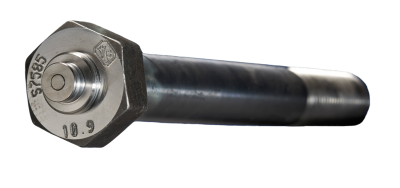
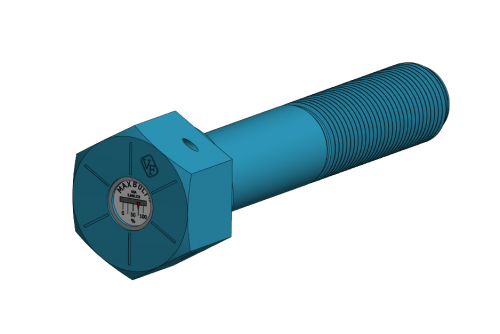
The SPC4TM load indicating fastener allows users to install a bolted assembly with confidence. The user can constantly monitor the clamp load of any SPC4TM bolted joint whether static or dynamic, by attaching a probe to the datum disc located on the end of the fastener and reading the value on a hand held battery powered digital monitor. Optional data gathering and storage of the bolted joint are available.

The integrity of a bolted joint is jeopardized when fasteners lose their tension. This loss of clamping force begins during assembly due to elastic interactions and joint relaxation. Self-loosening continues when the joint is put in service due to vibrations, temperature changes, shock, etc. The SPC4TM joint allows the end-user to retighten only the bolts or studs that have lost their clamp load resulting in a tremendous saving of maintenance time, money, and replacement parts. For a minimal investment, the SPC4TM offers maximum joint integrity with optimum performance.

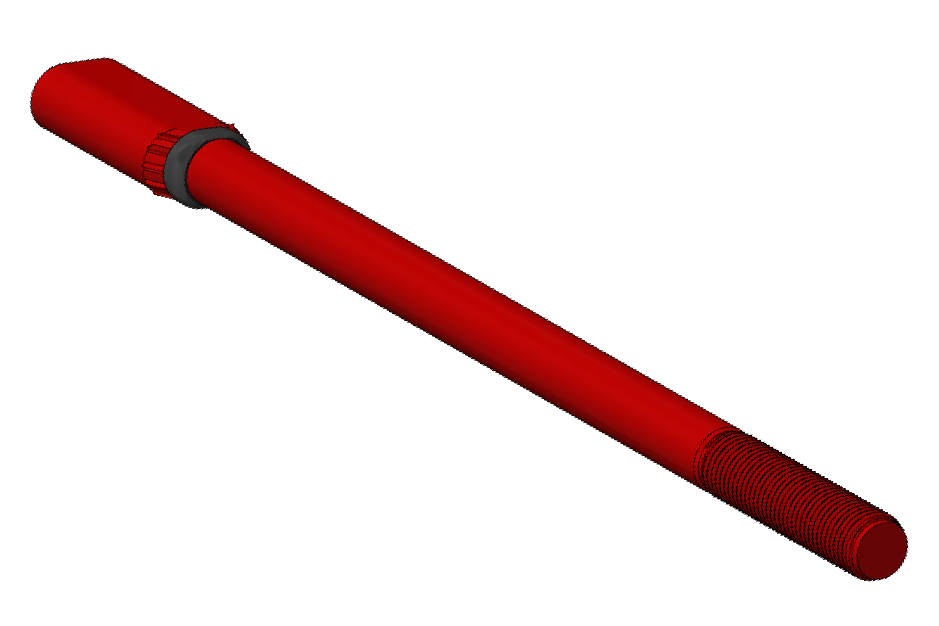
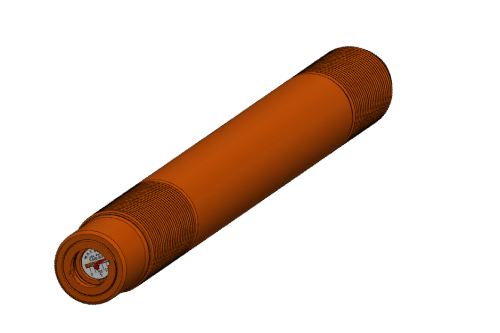
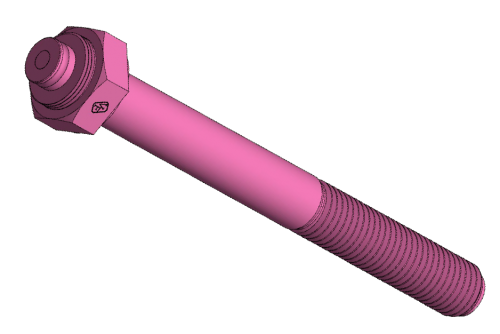
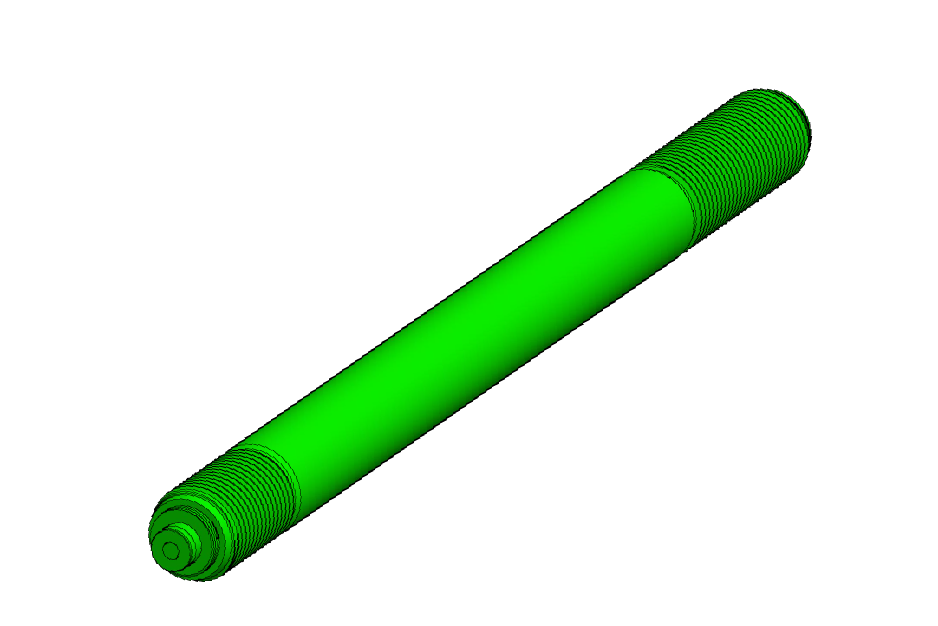
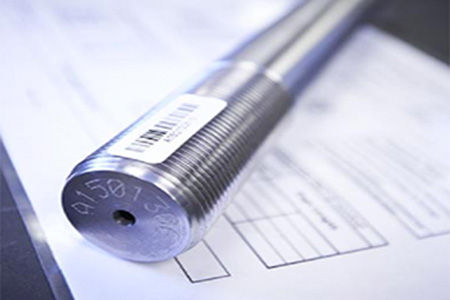
The SPC4TM may be manufactured to many of the ASTM, ISO, SAE, or any specific customer standards with various types of head configurations.

Advantages

  • Accurate Joint Assembly
  • Quick Installation
  • Electronic Control of Installation Clamp Load
  • Tightens to +/- 6% of True Clamp Load
  • Any Tightening Tool Can be Used
  • Eliminate the Mystery of Torque Tightening
  • Inexperienced Operators Can Complete & Monitor Complex Assemblies
  • Shut-off Capability of Installation Tool at Pre-determined Clamp Load
  • Easily Displays the Amount of Clamp Load via an Electronic Hand Held Monitor
  • Reduces Inspection Time
  • Prevents Expensive Downtime
  • Safer Bolted Joint Assemblies
  • Reduce Maintenance Cost
  • Saves Dollars
  • Optimize Bolted Joint Integrity

Technical

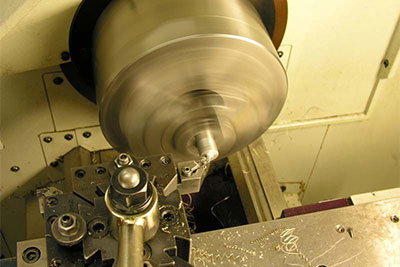
A fastener is modified by machining a small hole into the head. Minimal modifications to the bolt assure basic bolt design integrity. A gage pin is inserted into the hole and secured at the bottom. A datum disk is fitted on the top of the bolt head and forms a flat surface with the top of the gage pin when the bolt is unloaded. When the bolt is tightened, it elongates and the gauge pin is drawn into the bolt away from the datum disk surface. A portable electronic displacement transducer measures the distance between the datum disk surface and the tip of the gage pin. The elongation of the bolt is then correlated to joint clamp load via an electronic hand held monitor.

Monitors

SPC-400 Series: A portable hand-held monitor that displays bolt load (joint clamp load) as a percentage of it’s proof load.

SPC-420 Series: The portable SPC-420 Series monitor provides an additional feature in that it can be coupled to a power tightening tool and shuts it down at the predetermined joint clamp load.

SPC-440 Series: The portable SPC-440 Series monitor incorporates the features of the SPC-400 and SPC-420 Series monitors, the capability of downloading data from a single bolt to a computer.

SPC-460 Series: The portable SPC-460 Series incorporates the features of the SPC-440 Series with multi-channel unit, that can simultaneously monitor the performance of any number of bolted joints and display results and store them for permanent record keeping.

Photos