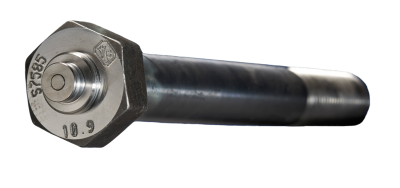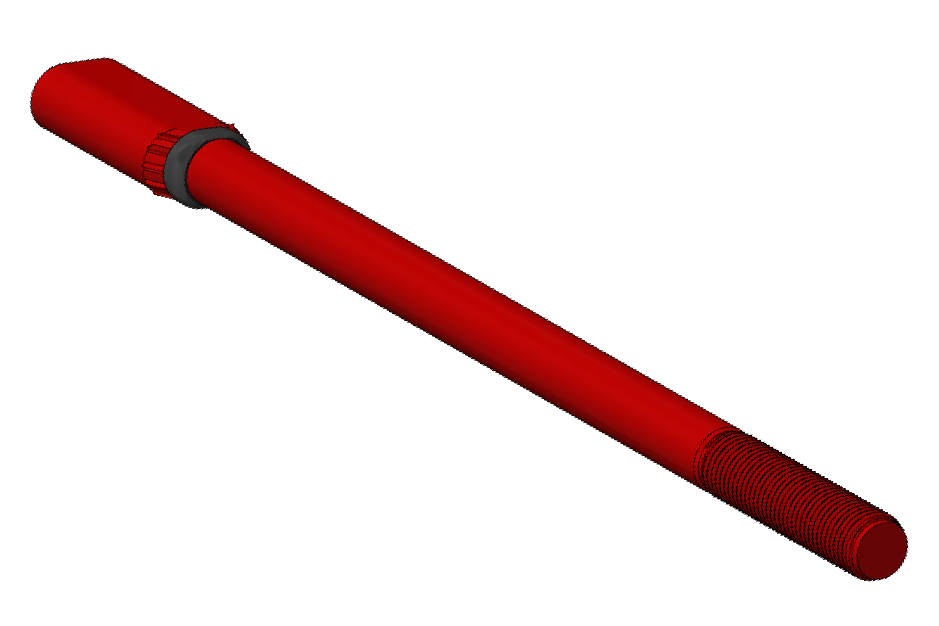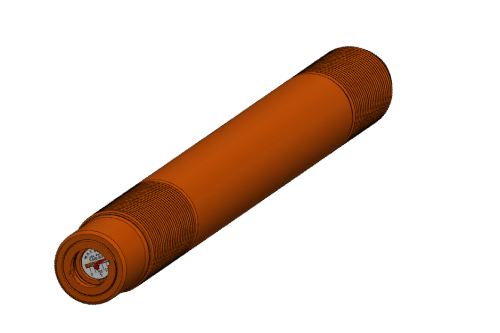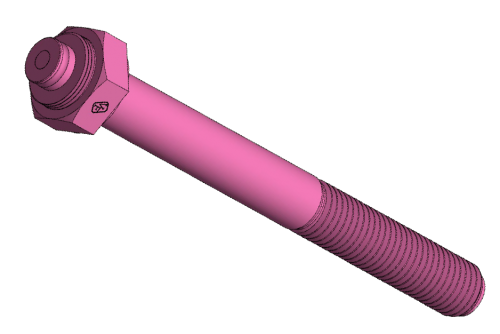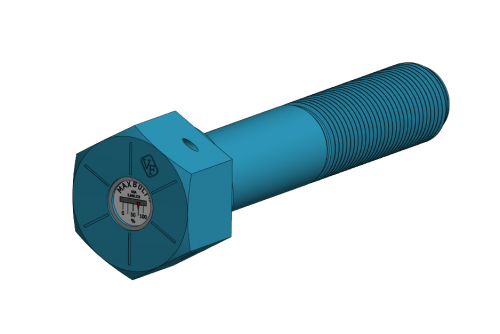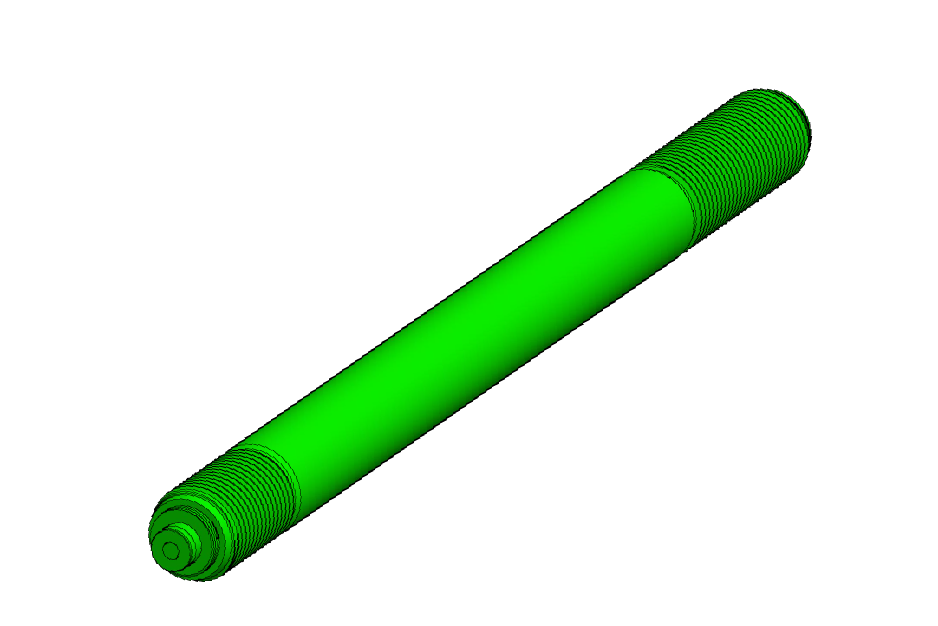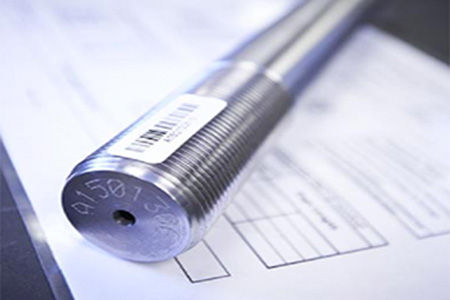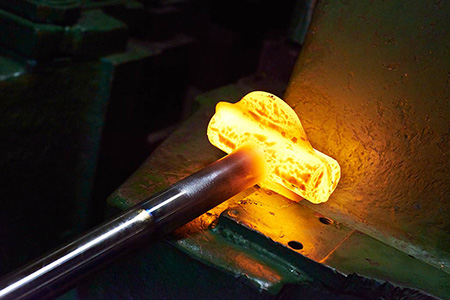


In steel mills, turret bearings operate under some of the most extreme conditions in industrial manufacturing. Supporting massive loads of molten steel while continuously rotating, these systems demand precision, durability, and the utmost reliability. Still, most mills are managing turret bearing performance with outdated methods. Our SPC4 Load Indicating Fasteners are changing that.
By replacing torque-based installation with real-time tension measurement, steel mills can significantly improve safety, reduce maintenance costs, and extend the life of critical assets like caster turret bearings and electric arc furnace (EAF) systems.
The Hidden Problem with Turret Bearing Fasteners
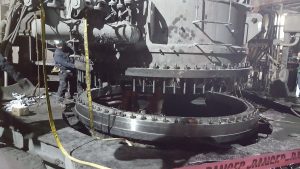
Turret bearings in steel mills are massive, with diameters ranging from 12 to 20 feet and 144+ fasteners per bearing that support uneven loads during continuous operation. In many cases, teams are relying on torque values to achieve proper preload during installations.
Torque vs. Tension
Torque is an indirect measurement of fastener tension. Various factors like friction, lubrication, and surface condition can significantly impact results, which leads to real-world variances of up to plus or minus 20% with bolts that are both underloaded and overloaded. All of this is cause for concern as the potential for failure is high.
The Real Cost of Traditional Fastener Methods
Using torque-based installation methods for turret bearings creates significant operational challenges:
High Labor and Equipment Costs
- 6+ person crews required for installation
- Full-day shutdowns
- Rental costs for hydraulic torque wrenches and pumps
- Annual re-torquing costs that require tens of thousands of dollars
Premature Equipment Failure
- Bearings expected to last 8-12 years may fail in as little as 14 months
- Replacement costs ranging from $150k – $300k
- Additional shutdowns that cost the mill more money
How Load Indicating Fasteners Improve Steel Mill Operations
Load indicating fasteners measure actual bolt tension, eliminating the guesswork and uncertainty of torque-based methods. Fastener preload is measured directly during installation, and maintenance teams can easily continue to verify performance. Also, the variability in load is significantly reduced with only a plus or minus 5% various as opposed to the 20% with torque-based methods.
With real-time tension verification, steel mills can finally feel confident that fastener tension values align with target specifications, providing a level of accuracy that’s previously been unattainable.
Improved Safety in Steel Mills Maintenance
Safety is the most important benefit. Traditional methods have required large crews to enter confined spaces in hazardous conditions with extended exposure to high-risk environments. With load indicating fasteners:
- Inspections take less than an hour
- Crew size is reduced from 6+ to just 2
- Exposure to confined spaces is minimized
Reduced Downtime and Fastener Inspections
Instead of full- or multi-day re-torquing procedures, inspections for both internal and external fasteners only take about twenty minutes for a two-man crew. With a total downtime of less than an hour, our SPC4 Load Indicating Fasteners are greatly improving operational efficiency. Maintenance teams will gain:
- Immediate insight into fastener condition
- The ability to detect issues early
- Confidence in system integrity
Lower Total Cost of Ownership
While load indicating fasteners may have a higher upfront cost, they deliver long-term savings by eliminating the need for:
- Annual re-torquing expenses
- Equipment rental costs
- Excess labor requirements
- Premature bearing replacements
A Smarter Approach to Steel Mill Fasteners
Our SPC4 Load Indicating Fasteners don’t just improve fastener performance; they change how steel mills manage reliability. Our bolts don’t just work for turret bearings; SPC4 Load Indicating Fasteners can be used across multiple steel systems, such as Electric Arc Furnace (EAF) arms, Ladle Metallurgy Furnaces (LMF), and caster systems with uneven distributions. Engineers and maintenance professionals are increasingly recognizing the benefits of tension-based fastener technology, given its many advantages for their applications.