

Why Load-Indicating Technology Improves Reliability in Non-Metallic Industrial Applications
Industrial equipment is evolving. As manufacturers increasingly replace traditional metal components with composites, engineered plastics, fiberglass, and other lightweight materials, maintaining reliable bolted joints has become more challenging.
While torque has long been the industry standard for fastener installation, it does not directly measure what truly keeps a joint secure: bolt preload.
That’s why bolt load monitoring and load indicating technology are becoming essential tools for improving equipment reliability, reducing maintenance costs, and preventing unexpected joint failures.
Why Bolt Load Matters More Than Torque
Torque is simply the rotational force applied to tighten a fastener. Bolt preload, or clamp load, is the linear stretch or tensile force created within the bolt that holds two components together.
Although related, torque and preload are not the same.
Variables such as thread condition, lubrication, coatings, surface finish, and installation methods can significantly affect how much torque is converted into usable clamp force. As a result, two identical bolts tightened to the same torque can produce very different preload values. This is why bolt preload measurement is becoming the preferred method for verifying joint integrity in critical industrial applications.
The Challenge of Bolting Non-Metallic Materials
Metal-to-metal joints typically maintain preload well after installation. Non-metallic materials behave differently.
Materials including composite structures, fiberglass panels, engineered plastics, rubber gaskets, timber, and concrete foundations can compress, creep, relax, or settle over time. Even when a bolt has not rotated or loosened, the clamped material may deform enough to reduce bolt preload.
The consequences can include:
- Reduced clamp force
- Increased vibration
- Joint movement
- Seal failures
- Premature component wear
- Increased maintenance costs
- Unexpected equipment downtime
Without bolt load monitoring, these changes often remain undetected until a failure occurs.
What Is Load Indicating Technology?
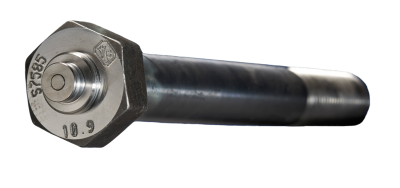
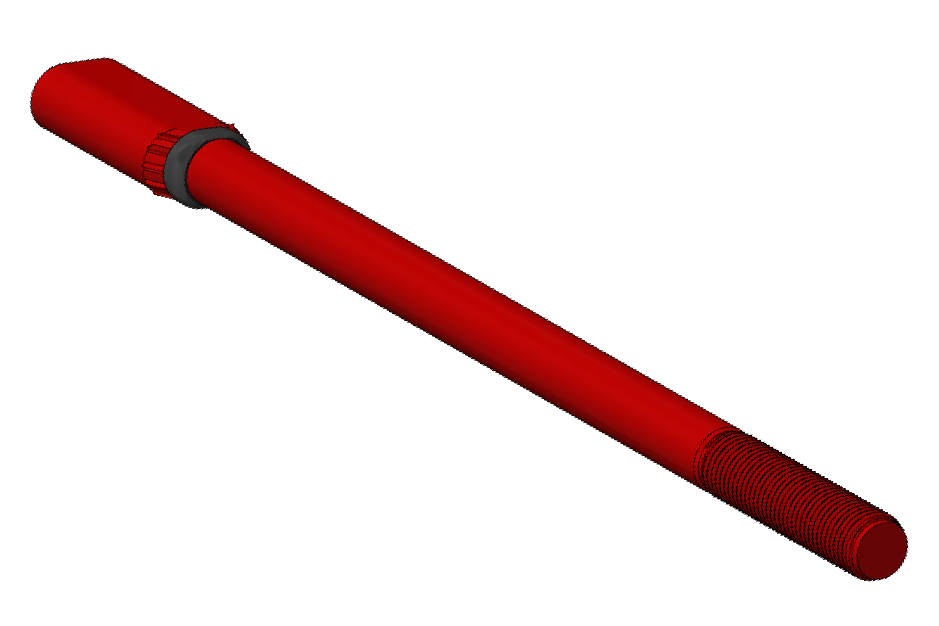
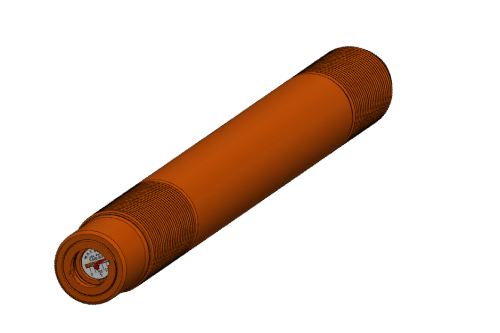
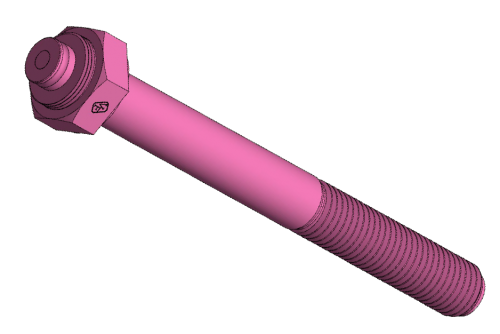
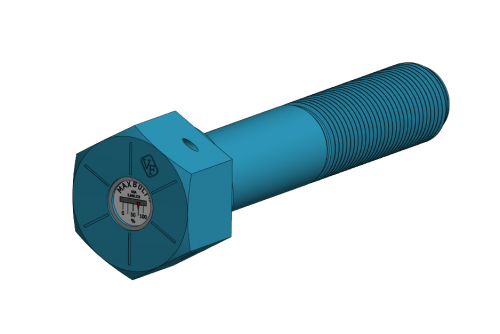
Load indicating technology measures or visually indicates the actual tension within a fastener rather than estimating preload from installation torque.
Instead of assuming a bolt remains properly tightened, maintenance personnel can verify the clamp force that is actually holding the joint together. This provides a more accurate assessment of joint condition throughout the equipment lifecycle.
For critical assemblies, bolt preload measurement delivers greater confidence than torque verification alone.
Why Bolt Load Monitoring Improves Reliability
Modern maintenance strategies increasingly focus on equipment condition rather than fixed inspection schedules.
Bolt load monitoring supports predictive maintenance by allowing operators to identify preload loss before it leads to joint failure.
Benefits include:
- Accurate verification of bolt preload
- Improved equipment reliability
- Reduced reliance on torque measurements
- Faster maintenance inspections
- Early detection of preload loss
- Reduced unplanned downtime
- Longer component life
- Lower maintenance costs
- Improved operational safety
Rather than reacting to failures, maintenance teams can schedule repairs based on actual joint condition.
Industrial Applications That Benefit from Bolt Load Monitoring
Composite Equipment
Composite pressure vessels, structural panels, and industrial equipment can experience preload loss as materials relax over time. Continuous or periodic bolt preload measurement helps maintain structural integrity throughout the service life of the equipment.
Renewable Energy
Wind turbines and solar installations rely heavily on bolted joints exposed to vibration, thermal cycling, and changing environmental conditions. Load indicating technology helps verify that critical fasteners maintain the required clamp force.
Heavy Equipment
Construction, mining, and agricultural equipment increasingly incorporates composite body panels and polymer components. Monitoring bolt preload helps reduce vibration-related failures while improving long-term reliability.
Concrete Foundations and Anchor Bolts
Concrete creep and settlement can reduce preload in anchor bolts over time. Regular bolt preload measurement provides assurance that critical equipment remains securely fastened.
Electrical Enclosures
Fiberglass and polymer enclosures expand and contract with temperature fluctuations. Bolt load monitoring helps ensure gasket compression remains sufficient to maintain environmental sealing.
From Preventive Maintenance to Predictive Reliability
Traditional maintenance programs often rely on periodic torque checks. However, torque alone cannot confirm whether sufficient clamp load still exists. Load indicating technology enables maintenance teams to monitor the parameter that truly determines joint performance—bolt load.
This condition-based approach allows organizations to:
- Detect preload loss earlier
- Reduce unnecessary inspections
- Improve maintenance planning
- Increase equipment availability
- Extend asset life
- Improve overall reliability
As industries continue adopting predictive maintenance strategies, bolt load monitoring is becoming an important part of improving equipment performance and reducing lifecycle costs.
The Future of Reliable Bolted Joints
Lightweight materials are transforming industrial design, but they also introduce new challenges for maintaining reliable bolted connections.
When assemblies include composites, plastics, concrete, or other non-metallic materials, installation torque alone cannot guarantee long-term joint integrity. Load indicating fasteners provide a knowledge into the action points possibly required based on material used (marterial deformation or possible failure point).
By combining bolt preload measurement with load indicating technology, manufacturers and maintenance teams gain direct insight into the actual clamp force securing their assemblies. The result is improved reliability, reduced downtime, safer operations, and greater confidence in every critical bolted connection.