

How SPC4® Wireless Bolt Monitoring Helps Reliability Engineers Improve Safety, Maximize Uptime, and Reduce Maintenance Costs
In today’s industrial environments, reliability engineers face increasing pressure to maximize equipment availability while maintaining the highest safety standards and controlling maintenance costs. Whether overseeing mining operations, oil & gas production, heat exchangers, offshore drilling, power generation, or other large-scale production projects, one challenge is always top of mind: ensuring critical bolted joints remain secure throughout the equipment’s life.
Traditional bolt inspection methods are often labor-intensive, time-consuming, and reactive instead of proactive. By the time a loose bolt is discovered, it may be too late, having already contributed to unnecessary equipment wear, costly downtime, or even a serious safety incident.
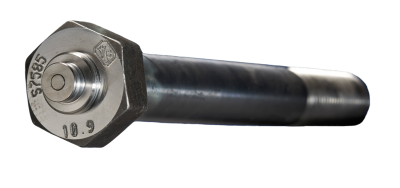
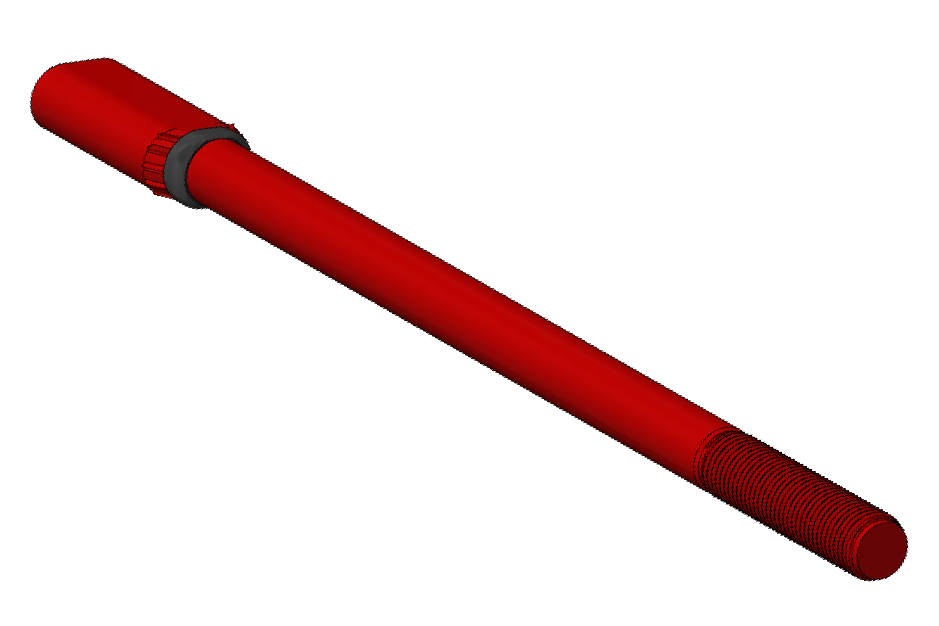
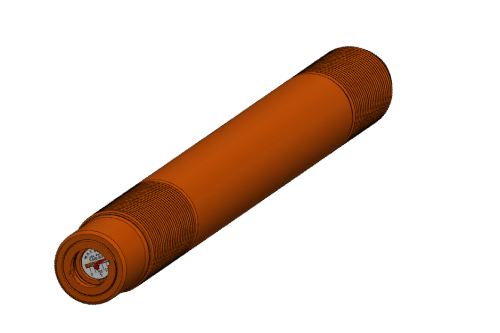
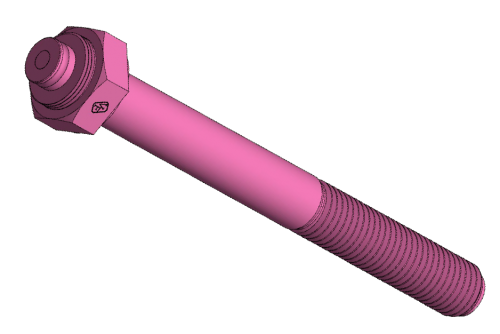
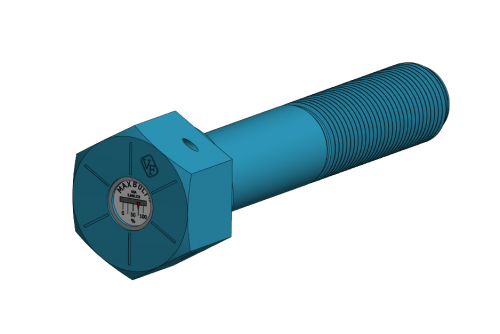
Wireless bolt monitoring technology is changing that approach. The SPC4® Wireless Bolt Monitoring System, which includes the 720R Probe and Gateway, provides reliability engineers with continuous visibility into the condition of critical fasteners, enabling predictive maintenance strategies that improve safety, increase uptime, and significantly reduce operating costs.
Why Critical Bolts Matter
Bolted joints are fundamental to nearly every industrial operation. They secure structural components, rotating equipment, conveyor systems, crushers, wind turbines, pressure vessels, pipelines, and countless other assets.
Over time, however, bolts naturally lose preload due to factors including:
- Equipment vibration
- Thermal expansion and contraction
- Dynamic loading
- Material settling
- Fatigue
- Human error during installation
Even slight reductions in bolt tension can lead to equipment misalignment, accelerated wear, leakage, structural failures, or catastrophic equipment damage. For reliability engineers, detecting these issues before they escalate is essential to improving operational integrity and safety.
The Limitations of Manual Bolt Inspections
Many industrial sites still rely on scheduled manual inspections using torque wrenches, ultrasonic testing, or visual inspections.
While these methods have value, they present several limitations:
- Inspections only provide snapshots in time and not a full picture of equipment health
- Developing problems between inspections often go unnoticed
- Manual inspections often require significant labor
- Critical assets may need to be shut down
- Personnel may be exposed to hazardous environments
- Large sites can have thousands of critical bolted joints
As maintenance teams become leaner and equipment becomes more complex, relying solely on manual inspections is inefficient and costly.
Continuous Monitoring Instead of Periodic Checks
The SPC4® Wireless Bolt Monitoring System shifts maintenance from reactive inspections to continuous visibility and monitoring. Rather than waiting for the next scheduled inspection, the system continuously monitors bolt integrity and immediately alerts maintenance personnel when preload begins to change. This real-time visibility allows engineers to identify developing issues before they become full-blown equipment failures.
Instead of asking: “Did this bolt loosen sometime during the last month?”
Reliability teams can confidently say: “This bolt began losing preload two days ago, and we can address it during the next planned maintenance window.”
This proactive approach dramatically improves maintenance planning.
Supporting Predictive Maintenance Programs
Many organizations are investing heavily in predictive maintenance technologies that monitor equipment health before failures occur.
Wireless bolt monitoring complements existing condition monitoring programs alongside:
- Vibration monitoring
- Temperature sensors
- Oil analysis
- Motor current analysis
- Acoustic monitoring
Adding bolt joint monitoring fills a critical gap that traditional predictive maintenance systems often overlook. For reliability engineers, this creates a more complete picture of asset health while reducing unexpected failures caused by loose or failing fasteners.
Improving Job Site Safety
Worker safety remains one of the highest priorities for industrial organizations. Loose bolts can create significant hazards, including structural instability, equipment failure, pressure leaks, falling components, and unexpected shutdowns. Continuous monitoring helps identify these risks before they become dangerous situations.
Additionally, wireless monitoring reduces the need for personnel to perform routine inspections in hazardous environments such as:
- Elevated structures
- Confined spaces
- High-temperature equipment
- Active production environments
- Remote installations
Reducing unnecessary exposure supports safer maintenance practices while improving workforce efficiency.
Maximizing Equipment Uptime
Every hour of unplanned downtime carries significant financial consequences, including lost production, emergency repair costs, delayed customer deliveries, and overtime labor. The SPC4® system enables maintenance teams to schedule repairs during planned shutdowns rather than reacting to emergency failures.
By identifying bolt preload changes early, organizations can prevent minor issues from developing into major equipment failures. The result is higher equipment availability and improved operational reliability.
Lowering Maintenance Costs
One of the biggest advantages of wireless bolt monitoring is cost reduction. Instead of inspecting every critical bolt on a fixed schedule, maintenance teams can prioritize work based on the actual condition of each piece of equipment.
This condition-based approach helps organizations reduce:
- Routine inspection labor
- Emergency maintenance
- Equipment damage
- Replacement parts
- Contractor costs
- Production losses
Maintenance resources are allocated where they are needed most, improving efficiency without sacrificing reliability.
Data-Driven Maintenance Decisions
Data is extremely important to every reliability engineer because it provides important details about the health of their operating equipment. That’s why we’ve ensured our SPC4® Wireless Bolt Monitoring System provides actionable information that enables those engineers to identify performance trends before any failures might occur.
Historical monitoring data can help answer important questions such as:
- Which assets experience repeated preload loss?
- Are certain operating conditions causing bolt relaxation?
- Does our equipment require design improvements?
- Can maintenance intervals be optimized?
- Which assets present the highest operational risk?
This information supports continuous improvement initiatives and helps maintenance teams make informed decisions backed by real-world performance data.
Supporting Reliability-Centered Maintenance
Reliability-centered maintenance (RCM) focuses on preventing failures that have the greatest operational impact. Wireless bolt monitoring aligns naturally with RCM principles by helping organizations focus attention on their most critical assets.
Rather than treating every bolted joint equally, engineers can continuously monitor the fasteners that matter most, including:
- Critical rotating equipment
- Heavy machinery
- Structural supports
- High-pressure systems
- Safety-critical assemblies
- Remote infrastructure
This targeted monitoring strategy improves both maintenance efficiency and overall equipment reliability.
The Future of Smart Industrial Maintenance
For reliability engineers, success is measured by equipment availability, operational safety, and maintenance efficiency. The SPC4® Wireless Bolt Monitoring System delivers measurable value by continuously monitoring critical bolted connections, reducing the need for manual inspections, identifying potential failures early, and enabling predictive maintenance strategies.
The result is safer job sites, maximum equipment uptime, lower maintenance costs, and greater confidence that critical assets remain secure.
In an industry where even a single loose bolt can lead to significant operational and financial consequences, continuous wireless monitoring provides visibility for reliability teams who need to stay ahead of failures before they impact production.